
Copenhagen is widely recognized as one of the world’s most bicycle-friendly cities—and that reputation didn’t happen by chance. Over decades of thoughtful urban design, the city shaped a model so effective that “Copenhagenize” became a shorthand for how a city can successfully scale up everyday cycling while also inspiring others to do the same. This evolution also led to the creation of the Copenhagenize Index, a benchmarking tool that assesses a city’s readiness to promote cycling as a practical and accessible mode of transportation.
The term was introduced in 2007 by Mikael Colville-Andersen, a visionary who pushed for a bicycle-first model of urban planning through simple, actionable concepts. As a result, his approach helped establish Copenhagenize Design Company—first launched in Copenhagen and now based in Paris—as a global consultancy driving innovation in cycling mobility. Moreover, with teams operating in both Montreal and Copenhagen, the company’s multidisciplinary experts continue to inspire millions to incorporate cycling into their regular routines.

How the Transformation Began
Back in the early 1970s, Copenhagen was overwhelmed by automobiles—there were more than three and a half times more cars than bikes, streets were chronically congested, and mobility was becoming increasingly ineffective. However, growing public pressure pushed local governments to act. In response, they implemented bold interventions: limiting car-oriented space, expanding high-quality cycling infrastructure, creating traffic-calming areas, and planning networks designed for direct, intuitive routes.
The results were striking. Gradually, the city succeeded in overturning car dominance. By 2016, and for the first time on record, more bikes than cars entered the downtown core. In fact, the motivation went far beyond environmental ideals: 56% of residents chose bicycles because they the most efficient choice. What took 37 minutes by car required only 13 minutes on a bike.
Moreover, urban analyses revealed a clear spatial inequality: although bicycles accounted for 62% of the flow along corridors such as Hans Christian Andersen Boulevard, they were allocated only 7% of the total mobility space.
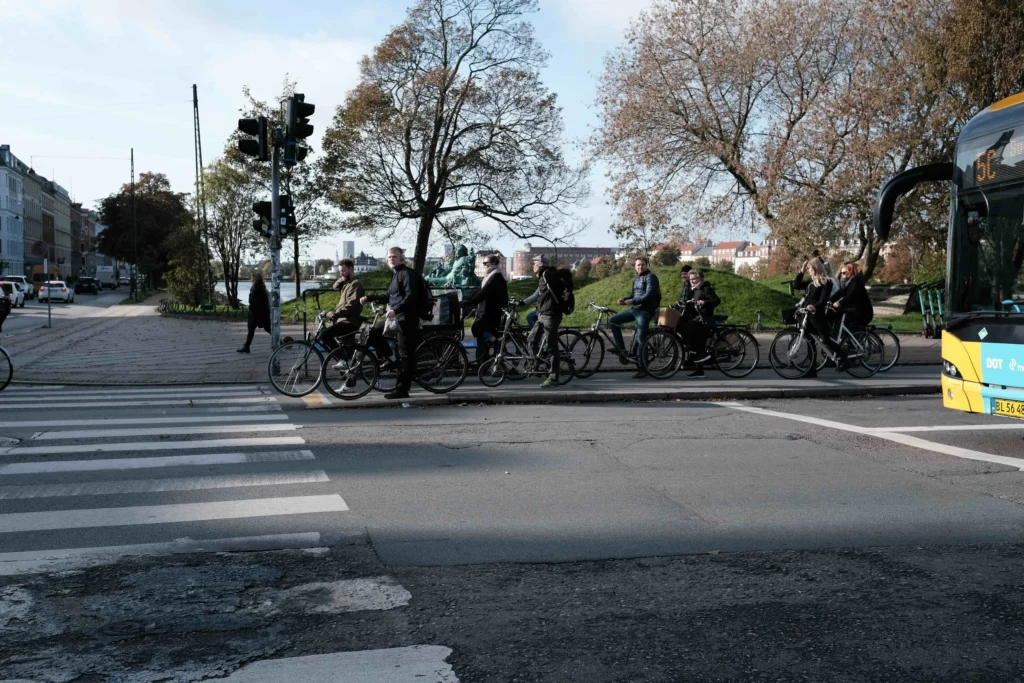
Image credit: Copenhagenize
What Sets the Copenhagenize Approach Apart
According to the Copenhagenize approach, cities should embrace practical, real-world strategies to decrease their reliance on cars. This philosophy is reflected in cutting-edge cycling infrastructure—ranging from bicycle superhighways and dedicated bridges to generous bike lanes, expansive parking hubs, and traffic signals timed to the natural pace of everyday riders.
As a global consultancy, Copenhagenize delivers a wide range of services, including strategy development, urban design, policy execution, communication campaigns, research, and education programs. Notably, its Desire Lines Analysis Tool and Cycling Policy Assessment offer powerful insights into how people navigate cities and how that experience can be improved.
Moreover, the team customizes each project to its cultural and environmental setting—supporting large metropolitan regions and small rural communities. They have also led projects in areas such as cycling tourism and sports-oriented cycling.
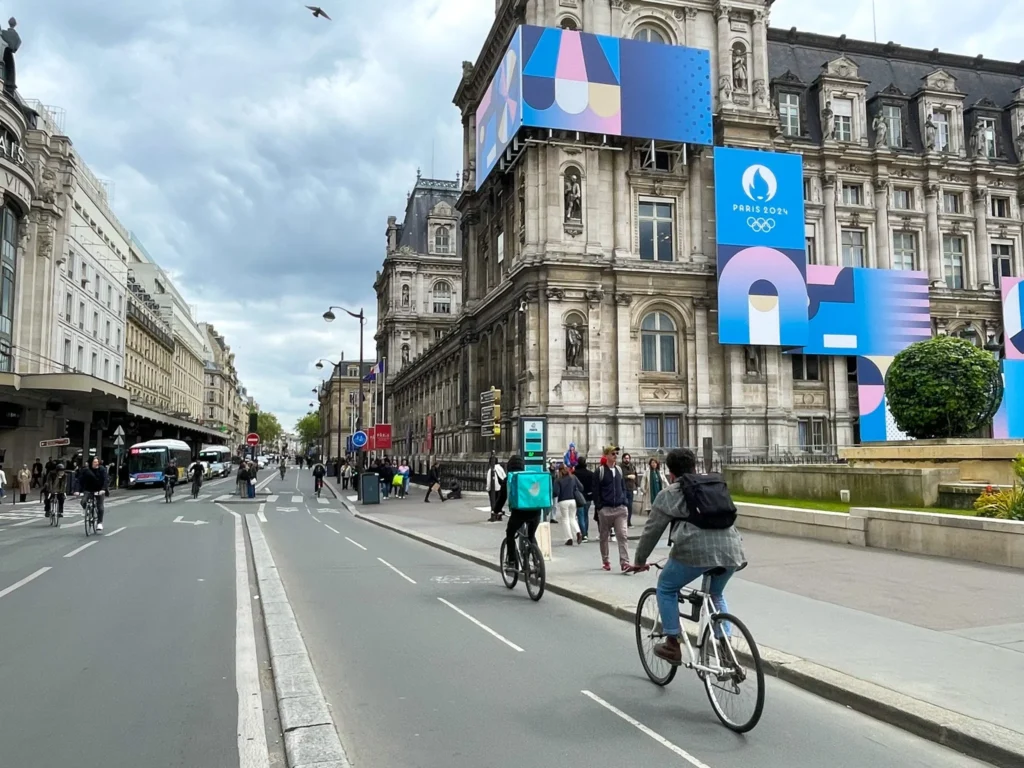
Image credit: Copenhagenize
The Copenhagenize Index
Since 2011, the Copenhagenize Index has served as a global reference for assessing how bike-friendly large cities are, focusing on places with populations above 600,000. It measures 14 indicators—from the quality of cycling infrastructure and the availability of parking, to the extent of calm-traffic zones, gender balance among cyclists, cargo bike adoption, and the local cultural perception of cycling.
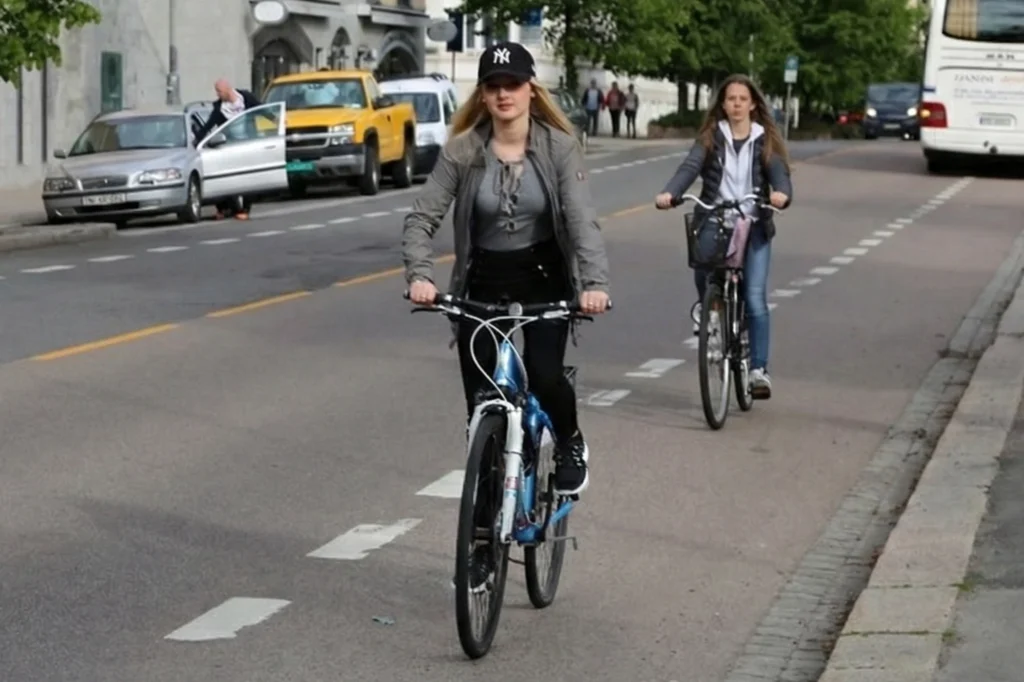
In the 2019 Copenhagenize Edition, Copenhagen led the rankings with an impressive 90.2% of all possible points, closely followed by Amsterdam and Utrecht. Meanwhile, Oslo earned the title of “Rising Star” for its fast-tracked improvements. In Germany, Bremen climbed to eleventh place, whereas Berlin and Hamburg slipped down the list, highlighting how many other cities have intensified their commitment to cycling progress.
Global Impact
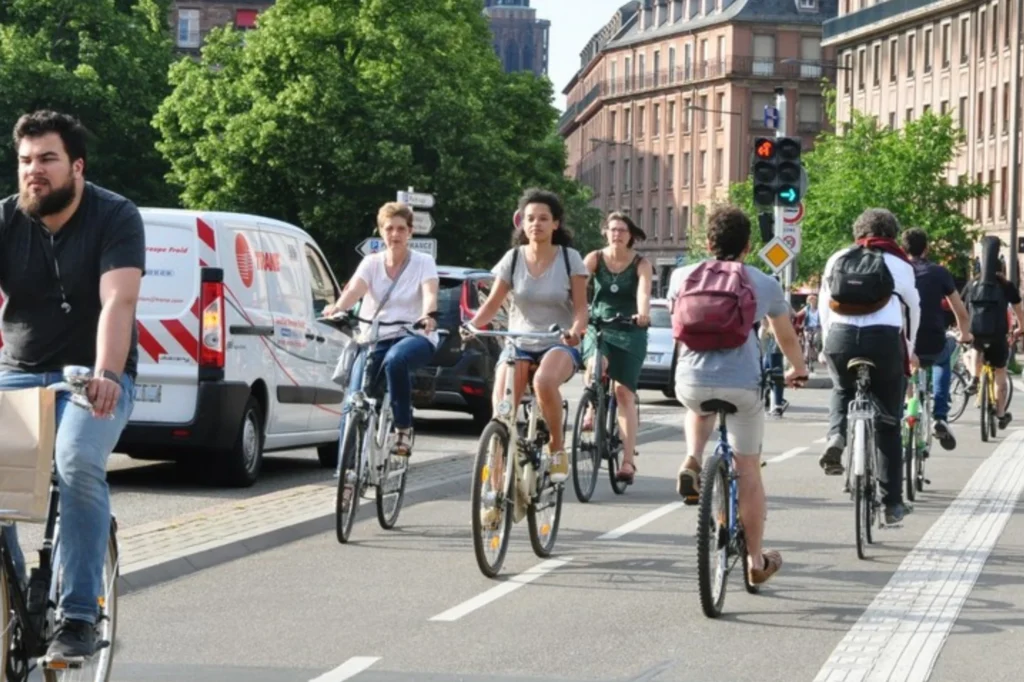
The Copenhagenize approach has shaped mobility strategies in numerous cities worldwide. Barcelona, Strasbourg, and Paris stand out among the collaborators that have worked with the consultancy to design stronger, more coherent cycling networks. In addition, Copenhagenize regularly publishes studies—including one focused on women’s mobility—that explore the everyday risks and obstacles many women encounter.
Copenhagenize has become a global benchmark not only because of its methodology, but also because of the values that shape its work. The company actively promotes efficiency, versatility, and equity. Its international team maintains gender balance and strong female leadership, while its Bicycle-Friendly Employer and Qualiopi certifications further reinforce its commitment to building more human-centered mobility.
A Vision That Continues to Evolve
The Copenhagenize approach starts with a simple idea: the bicycle can be a powerful tool for transforming cities and improving everyday life. Rather than attempting to eliminate cars entirely, the goal is to rebalance urban space. The consultancy promotes a people-first design philosophy, one where journeys feel intuitive, safe, and accessible for individuals of all ages.
Reimagining urban mobility requires acknowledging that a city’s progress is shaped not just by the infrastructure it builds, but by how people experience and use it every day. Embracing this model doesn’t mean copying Copenhagen; rather, it means learning how the principles of active mobility can be tailored to fit diverse contexts and unique urban identities.
If you’re interested in diving further into topics of urbanism and mobility, we’ve curated additional content on our site that broadens this dialogue and offers a deeper understanding of real-world examples. From the Cittaslow philosophy to an inside look at Bratislava’s bike lane system. These resources integrate perspectives such as the Cittaslow movement and a closer look at the cycling infrastructure in Bratislava. Together, these two articles enrich the discussion when mobility is placed at the center of urban transformation.